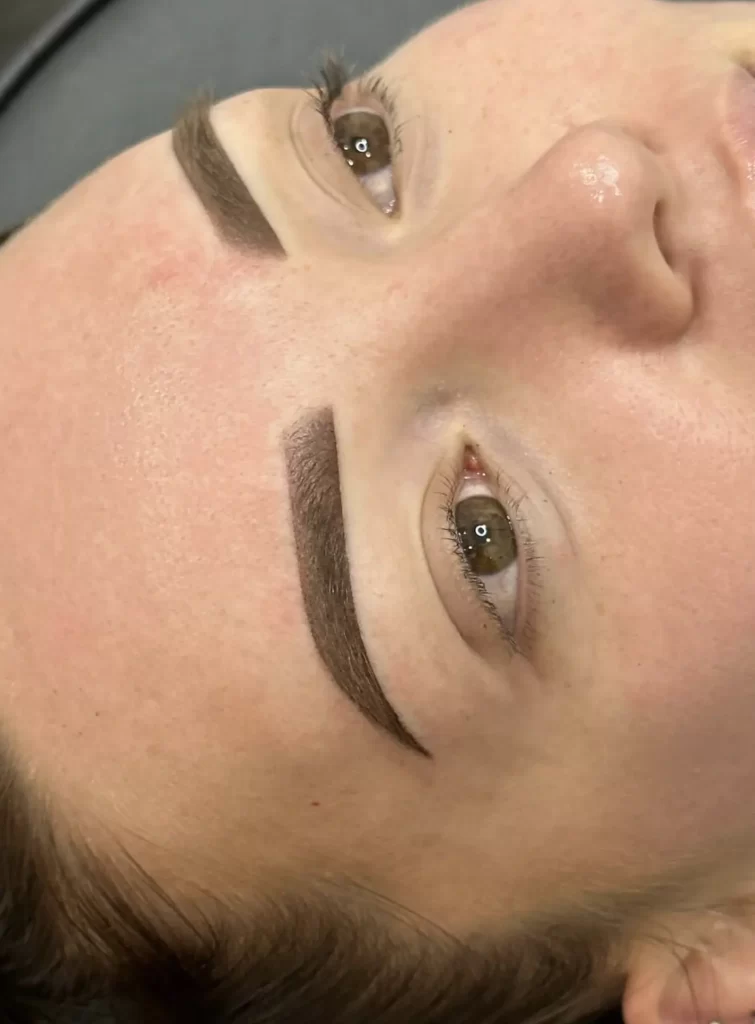
“Is tattoo removal bad for your liver?” If you’re sitting in our Brisbane studio wondering that very question, you’re not alone. Many of our clients — from full-sleeve veterans to those with a tiny cosmetic brow tattoo — have asked us the same thing.
The truth is, modern laser tattoo removal isn’t bad for your liver when done properly. But we get why the worry exists: words like “pigment particles,” “heavy metals,” and “side effects” can sound scary when you’re thinking about having ink broken down inside your body.
In this article, we’ll explain what happens during tattoo removal, how your immune system and lymphatic system work, why your liver plays a smaller role than you think, and how Brisbane clients can prepare for smooth healing. We’ll also debunk myths (yes, including the “skin cancer” one), cover the differences between saline tattoo removal and laser, and share a few studio stories.
Contents
- 1 How Laser Tattoo Removal Works
- 2 Does Tattoo Removal Overload the Liver?
- 3 Tattoo Pigments: What’s in Your Ink?
- 4 Healing Timeline: What to Expect
- 5 Side Effects: What’s Normal and What’s Not
- 6 Myths About Tattoo Removal and Your Liver
- 7 Studio Stories
- 8 Why More People Are Choosing Removal in 2025
- 9 Conclusion
- 10 FAQs
How Laser Tattoo Removal Works
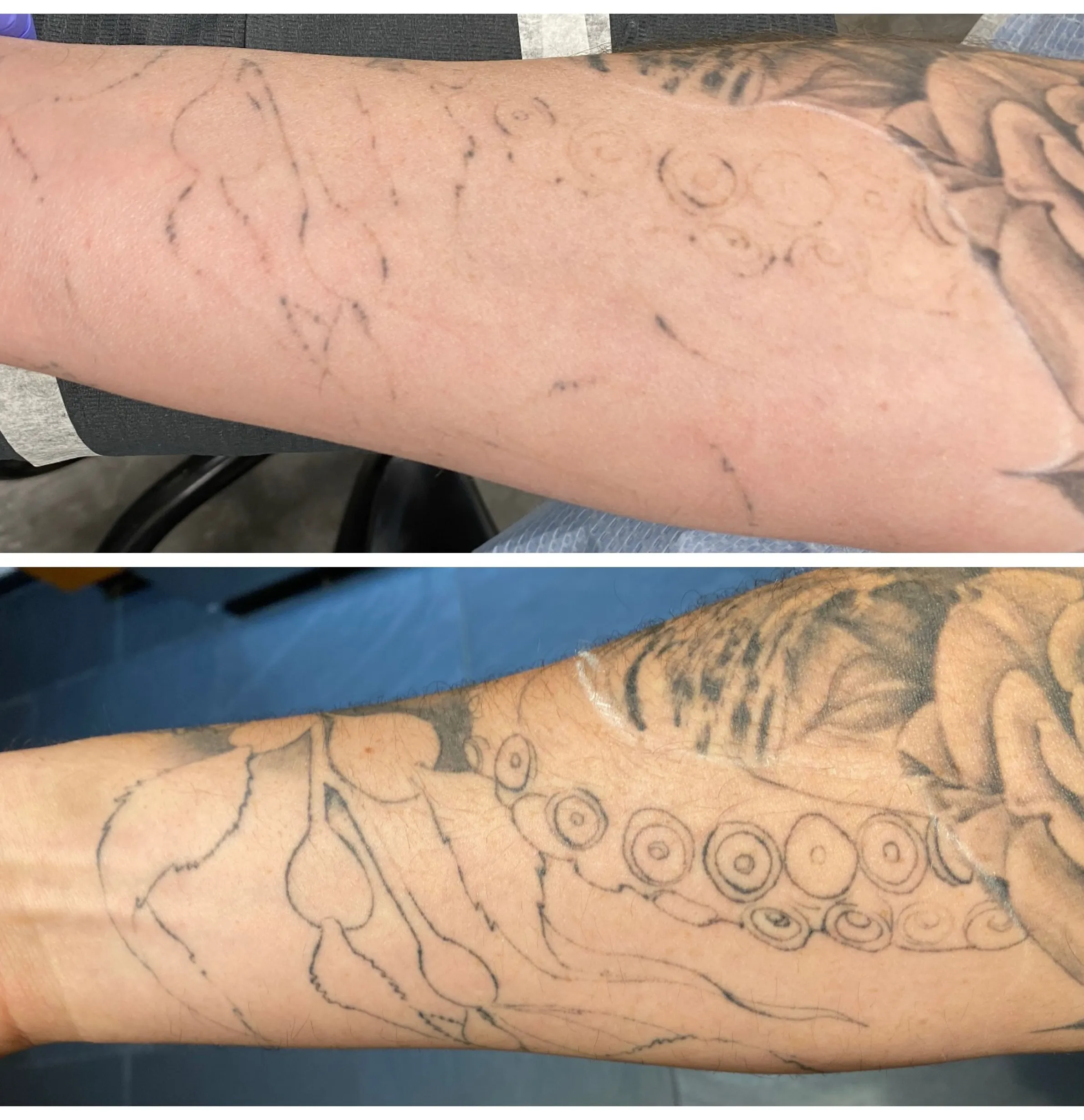
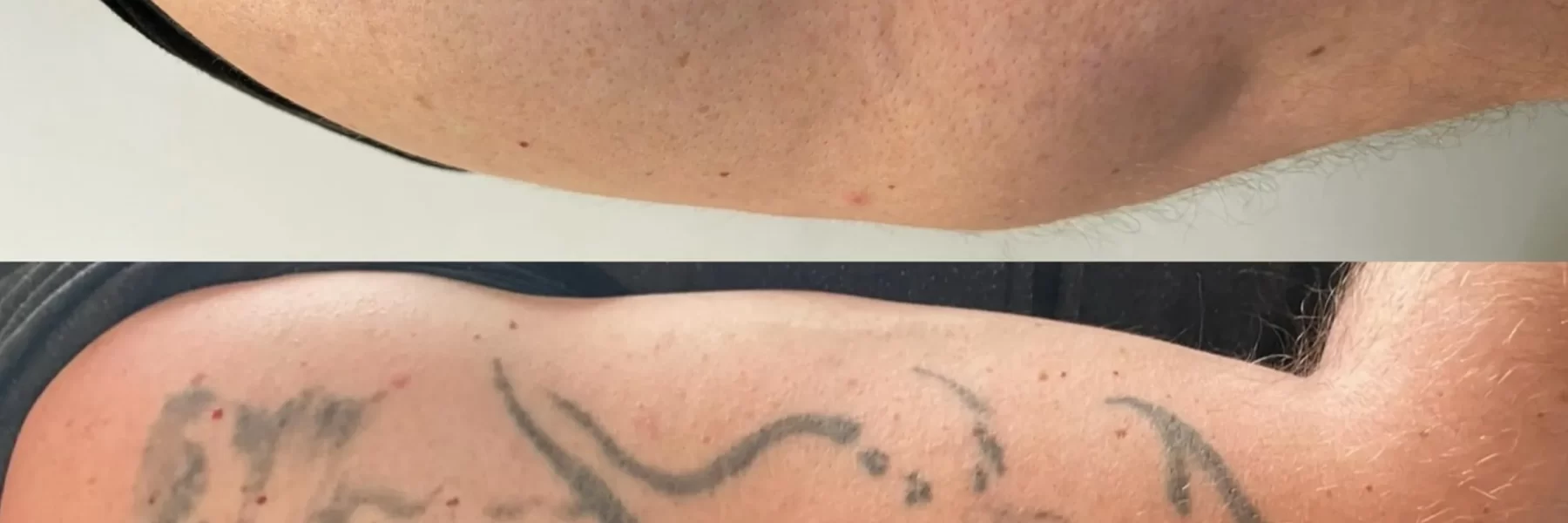
Here’s the part most clients are curious about: what happens under your skin.
During laser tattoo removal, highly concentrated pulses of light target the tattoo pigments in your skin. Instead of removing the tattoo ink all at once, the laser shatters the subdermal pigment into microscopic particles.
Your body does the rest:
- White blood cells pick up the pigment particles.
- Your lymphatic system carries them to the lymph nodes.
- Specialised Kupffer cells in the liver, along with other detox organs, help process the debris.
Different tattoo pigments respond differently. Carbon black (used in most black tattoos) breaks down easily. Colours like green and blue often need picosecond technology for better results. Some cosmetic inks contain titanium dioxide, which can occasionally cause temporary skin discolouration during treatment.
Does Tattoo Removal Overload the Liver?
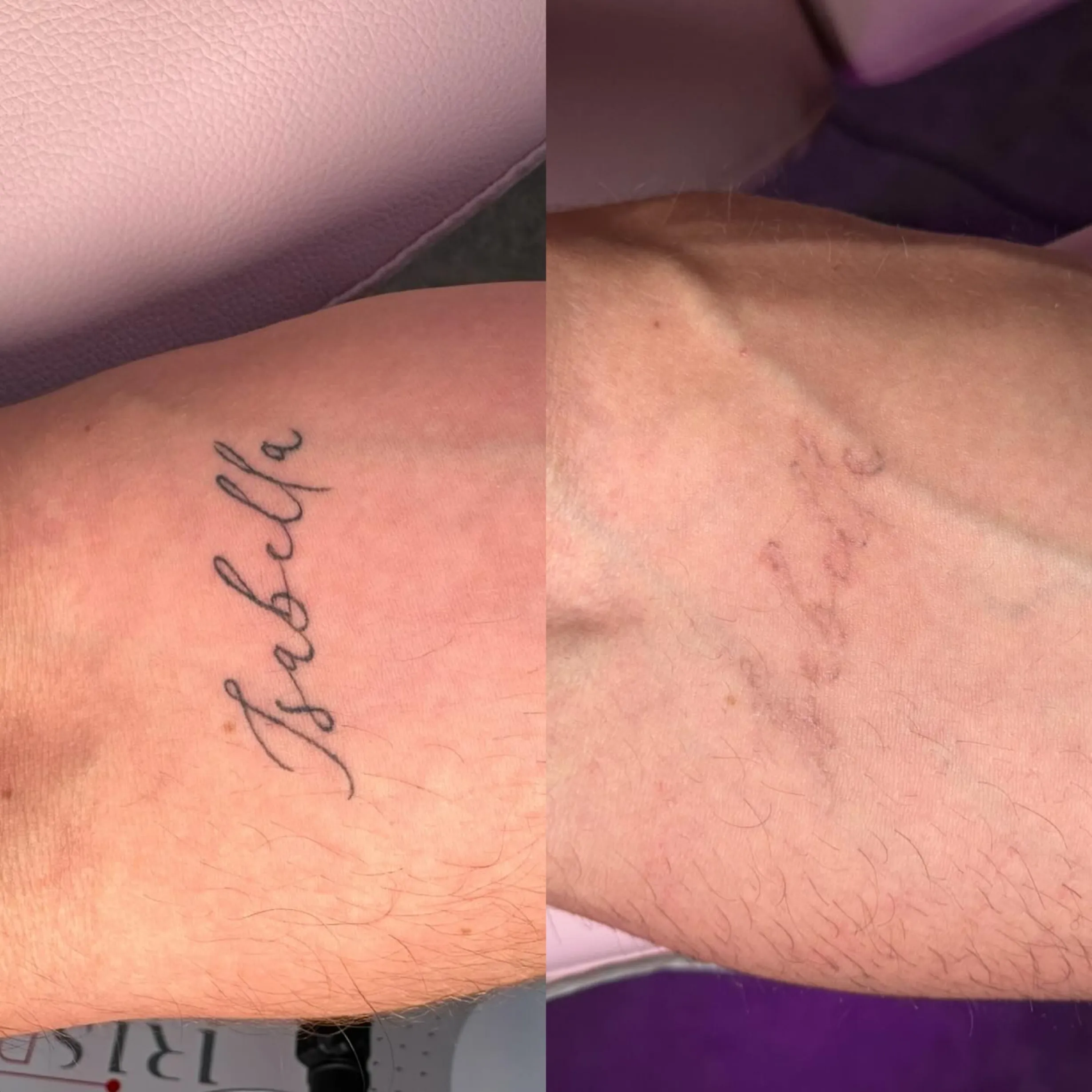
Here’s the answer: no.
Your liver already processes more than the pigment fragments from tattoo removal, food and alcohol, environmental toxins and medications. Compared to that daily load, the fragments from tattoo removal are tiny.
Most of the ink is moved through your lymphatic system, not dumped into the liver all at once. It’s a gradual process, over weeks, as your body heals.
That said, if you have liver concerns or are undergoing cancer treatment, check with your GP first. We’ve had Brisbane clients in this exact situation, and with the right treatment plan, removal was still possible and safe.
Tattoo Pigments: What’s in Your Ink?
Not all inks are equal, and it’s worth knowing what’s in yours.
- Carbon black: The most common pigment; easy to target with laser light.
- Titanium dioxide: Found in white and pastel inks; may cause skin discolouration under laser pulses.
- Non‑metallic organic pigments: Modern inks, safer but sometimes harder to break down.
- Polycyclic aromatic hydrocarbons (PAHs): Occasionally present in cheap inks; these compounds are linked with adverse effects in other contexts.
- Heavy metals: Rare in modern professional tattoos but still a concern in older or unregulated work.
If you’re not sure what pigments are in your tattoo, don’t stress. Our consultation process includes assessing the likely ink type, your skin type, and your skin colour to determine the safest approach.
Healing Timeline: What to Expect
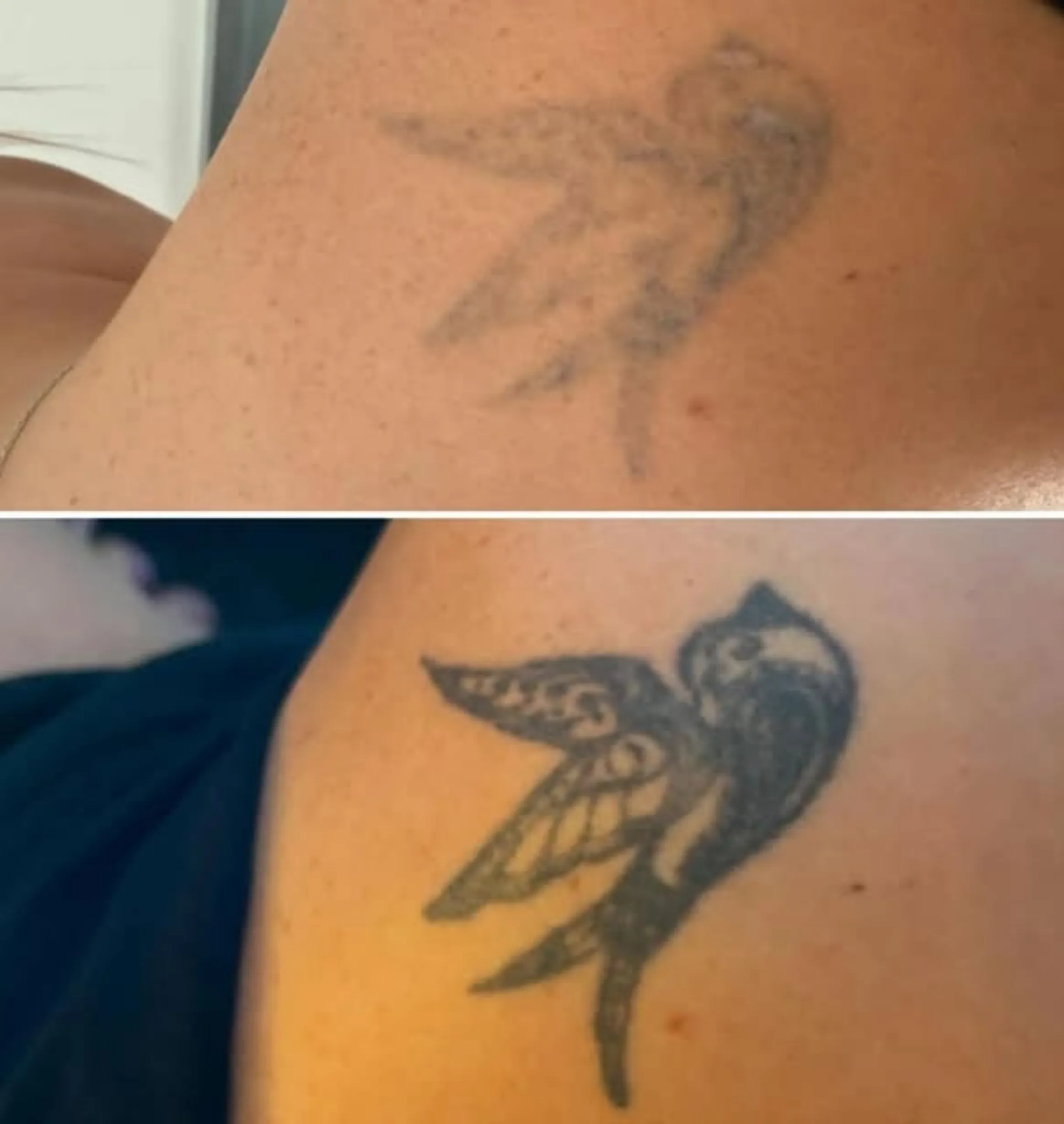
We always say: trust the process. Here’s the week‑by‑week guide we give our clients:
| Week | What You’ll Notice | What’s Happening | Pro Tip |
|---|---|---|---|
| Week 1 | Redness, swelling, maybe mild blistering | Laser pulses break pigment; fibroblast skin cells begin repair | Keep the area clean & dry, avoid scratching |
| Week 2 | Scabbing or flaking | White blood cells clear pigment particles | Apply healing ointment; skip strenuous cardiovascular activities |
| Week 3–4 | Noticeable fading | The lymphatic system carries fragments to the lymph nodes | Stay hydrated; consider a lymphatic drainage massage |
| Week 5–6 | Tattoo continues lighting | Detox organs (including the liver) filter debris | Prep for your next treatment plan session |
For smaller procedures like laser eyebrow tattoo removal, the healing time is usually quicker than for larger body tattoos.
At Face Figurati Cosmetic Tattoo Studio in Brisbane, we see clients every week who walk in with worries and walk out reassured.
Side Effects: What’s Normal and What’s Not
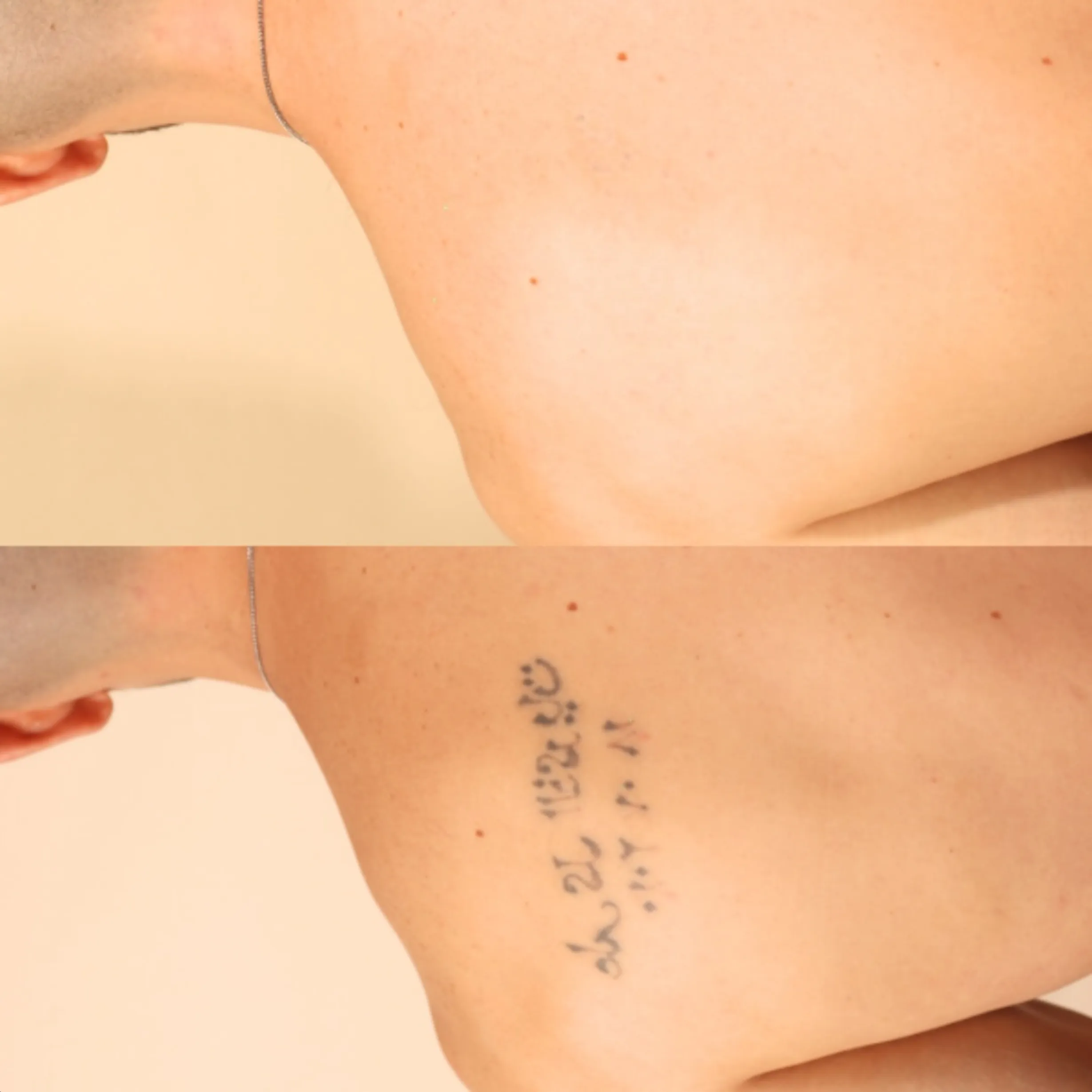
Most Brisbane clients experience only mild, temporary side effects, especially with picosecond technology.
Normal side effects:
- Redness and swelling
- Temporary skin discolouration
- Light scabbing or flaking during the healing process
- Mild tenderness
Less common adverse effects:
- Prolonged sensitivity in darker skin types
- Rare allergic reactions to certain tattoo pigments
- Scarring may occur if aftercare instructions aren’t followed
We also get asked about saline tattoo removal, which some people consider a “chemical-free alternative”. While saline can work, it often results in more scabbing, longer healing times and less predictable outcomes than modern lasers.
Myths About Tattoo Removal and Your Liver
Time for a bit of myth-busting.
- “Laser tattoo removal puts all the ink into your liver.”
Nope. Your immune system and lymphatic system spread the load gradually. - “Tattoo removal increases your risk of skin cancer.”
There’s no evidence linking professional removal to skin cancer. The bigger risk? Not protecting your skin from ultraviolet radiation after treatment. - “Eyebrow tattoo removal is riskier because of sensitive skin.”
It can be trickier, yes, but safe with trained professionals. Many clients come to us for eyebrow tattoo removal after poor results elsewhere. - “Chemical-free alternatives are safer.”
Not always. Some so-called natural methods can cause more damage than properly administered lasers.
Studio Stories
One client came to us after trying saline tattoo removal for their brows at another salon. They were frustrated with the long healing time and scarring. We switched them to a laser eyebrow tattoo removal plan using picosecond technology. Their brows lightened smoothly, with far fewer side effects.
Another client, a beauty therapist in training, told us she’d enrolled in tattoo removal courses but hadn’t realised how much science was behind the immune system’s role. Watching her own removal journey gave her a whole new respect for the process.
Why More People Are Choosing Removal in 2025
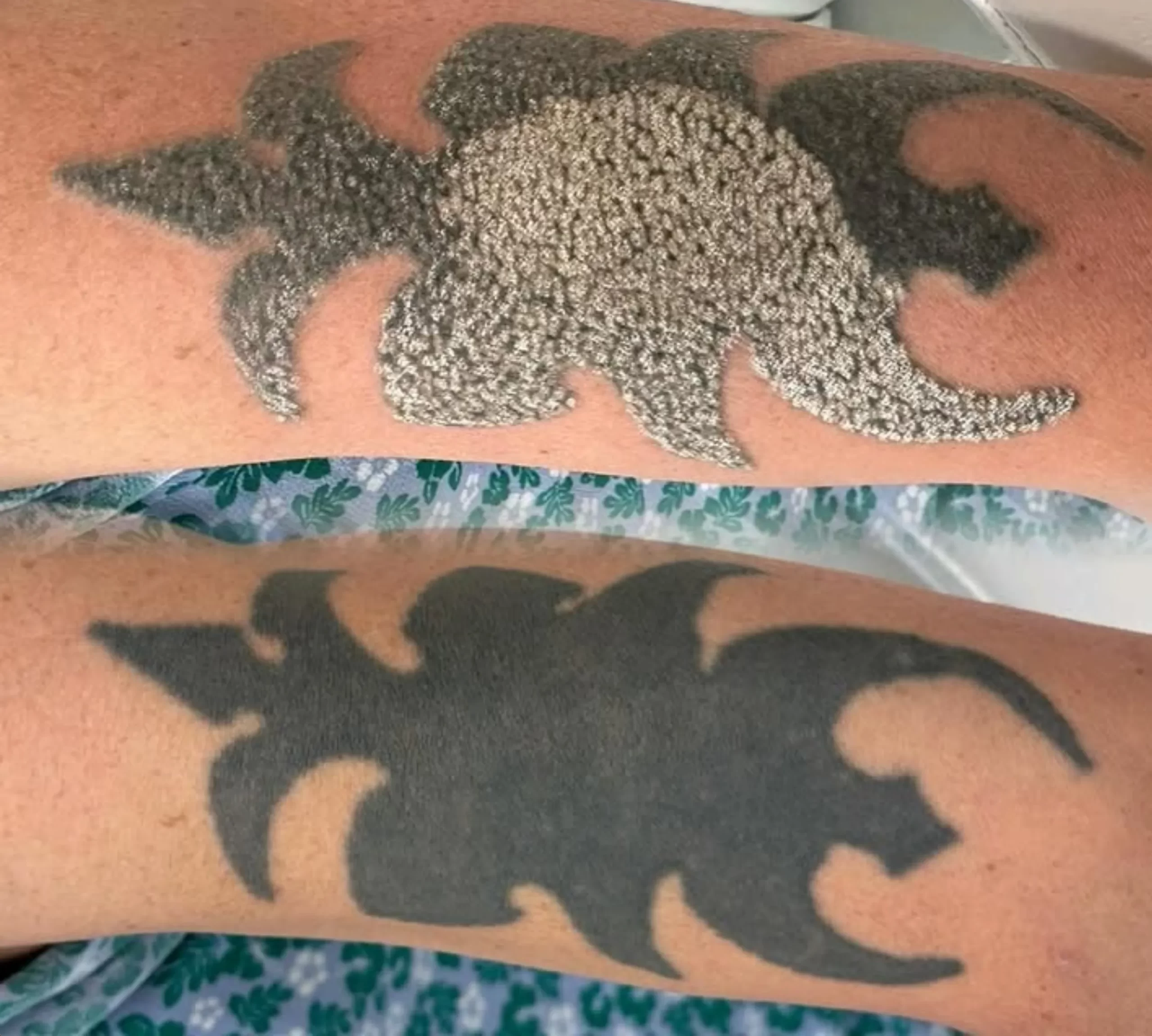
Industry stats show tattoo removal enquiries in Australia have risen 18% since 2023, with Brisbane top of the list. Why?
- More people want natural skin and minimal ink
- Better results with picosecond technology
- Clients correcting old cosmetic work through eyebrow tattoo removal
And yes, some clients still opt for cover‑up tattoos or artistic cover‑ups — but safe removal is more popular than ever.
Conclusion
So, is tattoo removal bad for your liver? In short: no. Whether you’re looking at laser tattoo removal, eyebrow tattoo removal or even saline tattoo removal, your liver isn’t at risk if the treatment is done by a trained professional.
If you’re in Brisbane and want to know more, send us a message. We’ll create a treatment plan for your skin type, tattoo pigments and lifestyle — whether you’re fading for a cover‑up or saying goodbye to ink altogether.
FAQs
Is tattoo removal bad for your liver if I have multiple tattoos?
No. Your body clears pigment gradually, and your liver isn’t overwhelmed.
Can I do saline tattoo removal instead of laser?
You can, but saline tattoo removal takes longer to heal and more scabbing than lasers.
Do tattoo removal courses cover liver safety?
Yes — reputable tattoo removal courses teach how the body and liver handle pigment and safe laser use.
Is eyebrow tattoo removal more dangerous?
Not if done by trained professionals. Laser eyebrow tattoo removal is one of the most popular treatments in Brisbane.
Does tattoo removal increase cancer risks?
There’s no evidence linking professional laser tattoo removal to skin cancer. Protecting your skin from the sun post‑treatment is way more important.