Skiing is one of the most fun winter sports, with breathtaking mountain views and an awesome adrenaline rush. But for beginners, the thought of skiing can be intimidating. Balancing on two narrow skis going down a mountain might make you think it’s hard and not safe. This article will answer how hard it is to learn skiing, the difference between beginner and advanced skiing, what factors affect the difficulty level and how long it takes to get good. We’ll also give you tips for beginners to make the learning process easier and talk about ski slopes, ski slope levels and the importance of proper technique.
How Hard Is It to Learn Skiing?
Skiing is a skill that varies in difficulty depending on your physical ability, experience and willingness to learn. Some people pick it up fast, others take longer to feel comfortable. The initial learning curve is steep as you need to master balance, coordination and understanding how to control speed and direction. But with proper guidance from a ski instructor and practice on beginner slopes, most people can develop basic skiing skills in a few days. Planning a snow trip in Victoria is a great way to dip your toes in and make progress in a fun and supportive environment.
Beginner vs. Advanced Skiing
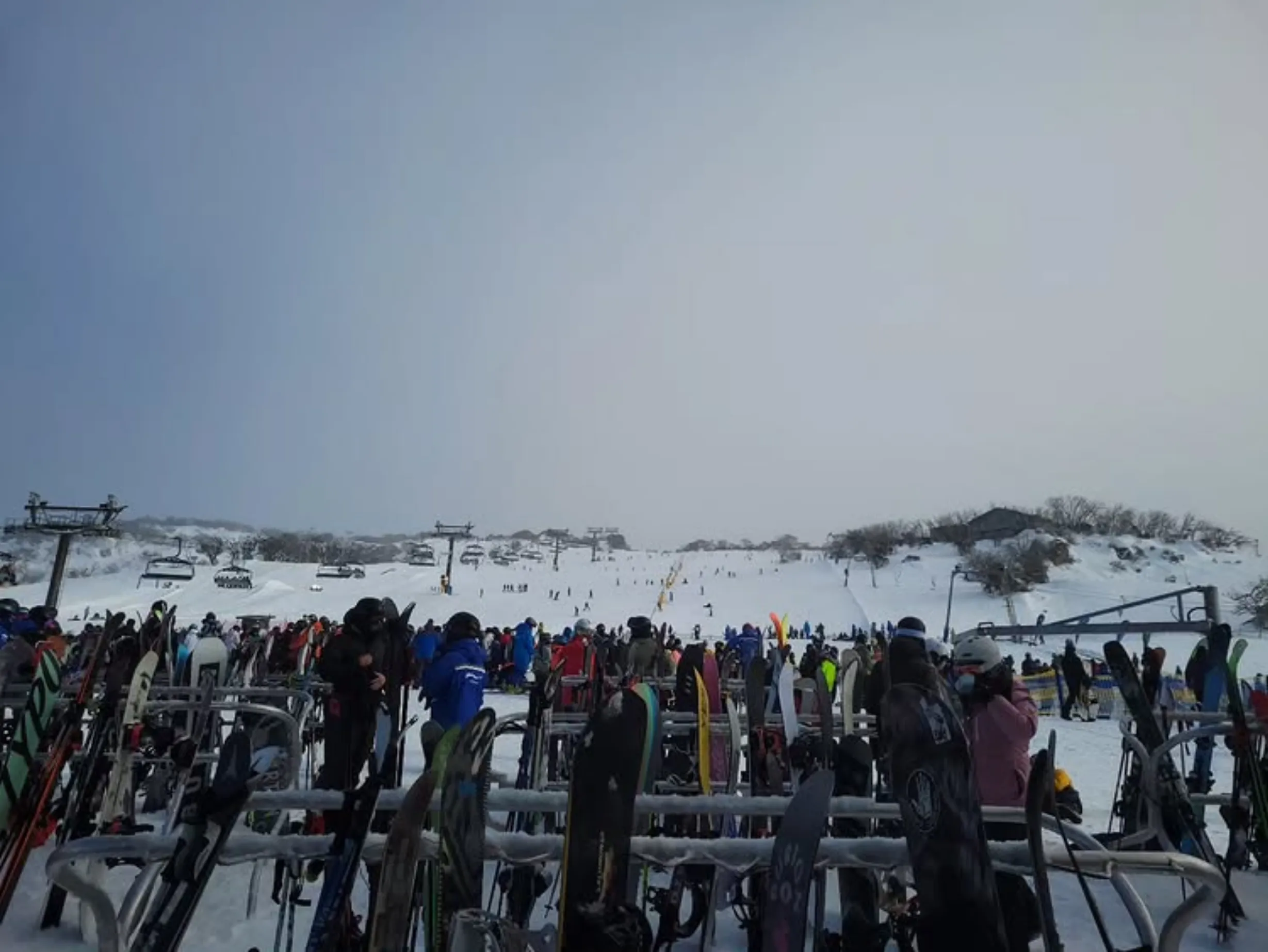
The difference between beginner and advanced skiing is huge. Beginners start with basic techniques like the snowplough (pizza) to slow down and simple turns. They stick to groomed slopes with gentle gradients, green runs or bunny slopes. As skiers progress they move to parallel skiing which requires more control and speed. Intermediate skiers go to blue slopes and varied terrain, advanced skiers go to black diamond slopes, double black trails, deep snow and off-piste skiing. Mastering advanced skiing takes years of practice, improved technical skills and physical endurance.
Factors That Affect How Hard Skiing Is
Several factors affect how hard skiing will be for you. Knowing these factors will help you manage your expectations and prepare accordingly.
1. Fitness Level
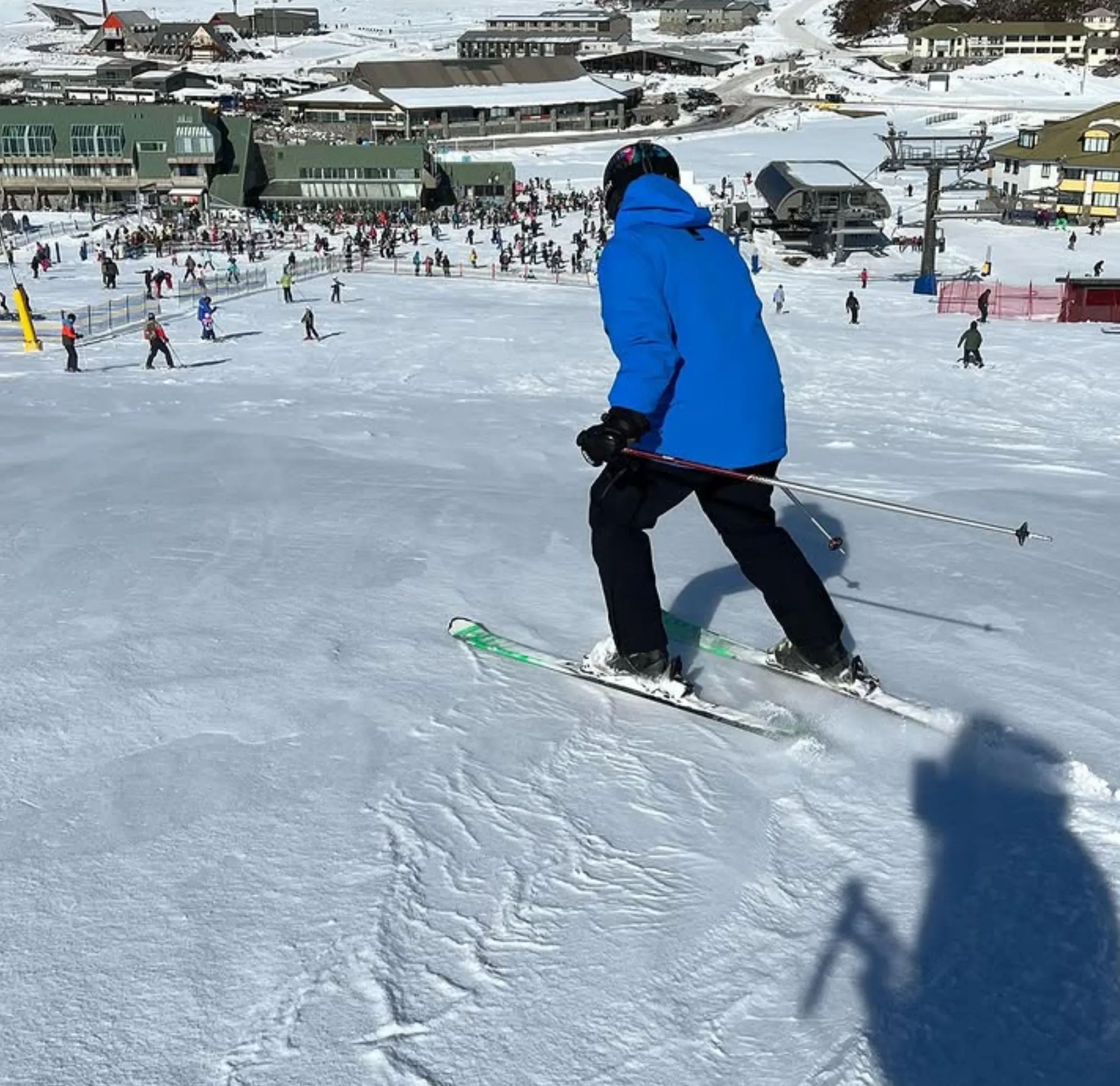
Skiing is a physically demanding sport that engages many muscle groups, especially the legs, core and lower back. The fitter you are the easier it is to maintain balance, absorb shocks and recover from falls. People with strong leg muscles, endurance and flexibility progress faster and find skiing less tiring.
2. Age
While skiing is a sport that can be done at any age, younger people generally learn faster due to better flexibility, balance and lower fear factor. Older beginners may take longer to build confidence and adapt to the physical demands but with patience and persistence, they can still become good skiers.
3. Lessons vs Self Learning
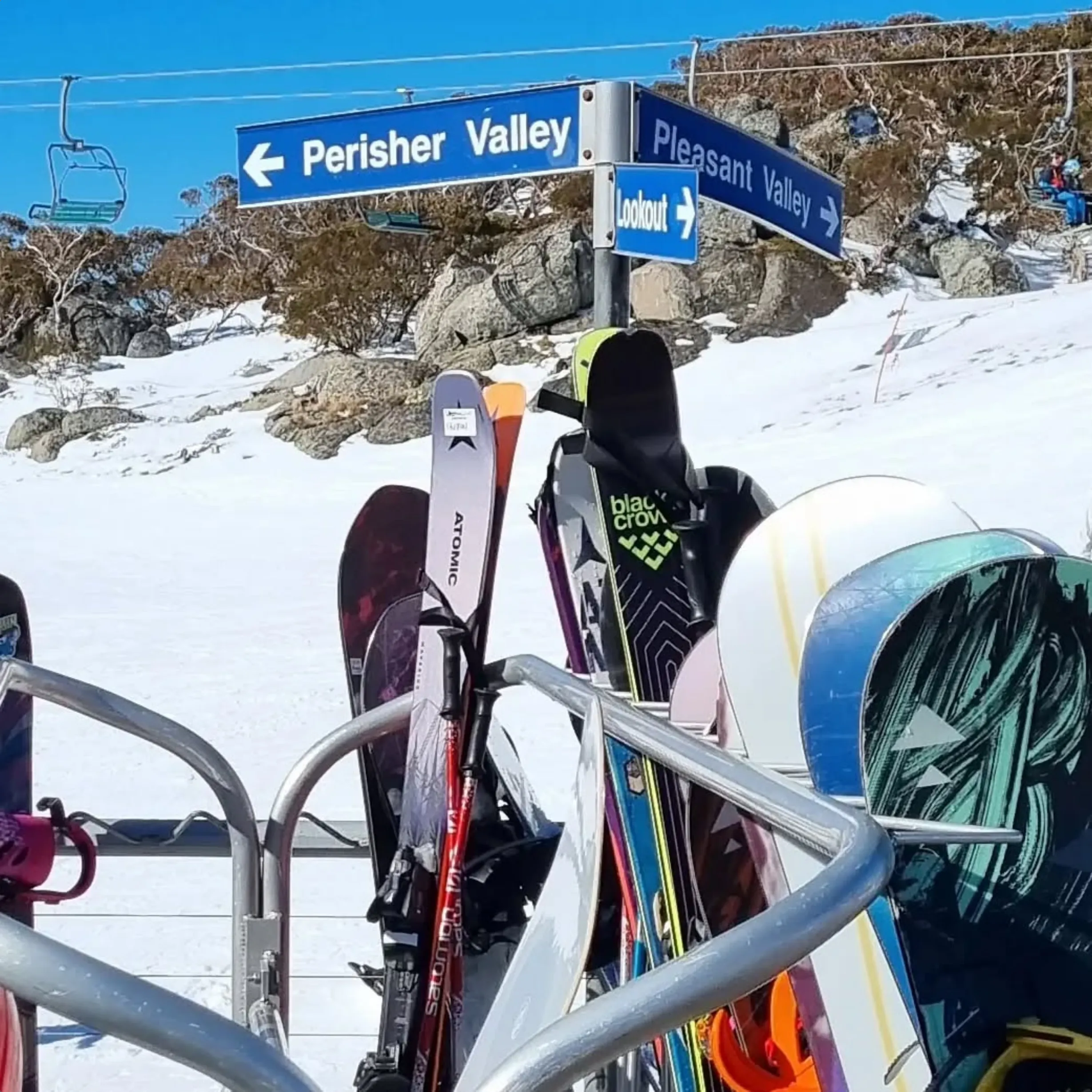
Taking professional ski lessons can reduce the difficulty of learning to ski by a lot. Certified ski instructors teach proper techniques, safety measures and best practices for different terrain. Private ski instructors provide personalized instruction that can correct bad habits and accelerate progress. Self learning on the other hand often leads to slower progress and developing bad habits that can be hard to correct later.
4. Terrain & Snow
The type of terrain and snow conditions affect the difficulty of skiing. Groomed terrain with packed snow is easier to ski, icy, slushy or powder skiing in deep snow is harder. Steep slopes, narrow trails and off-piste skiing require advanced skiing ability and better control. Skiing in powder or fresh snow requires different techniques than piste skiing, so it’s harder for those who are not used to it.
5. Equipment & Clothing
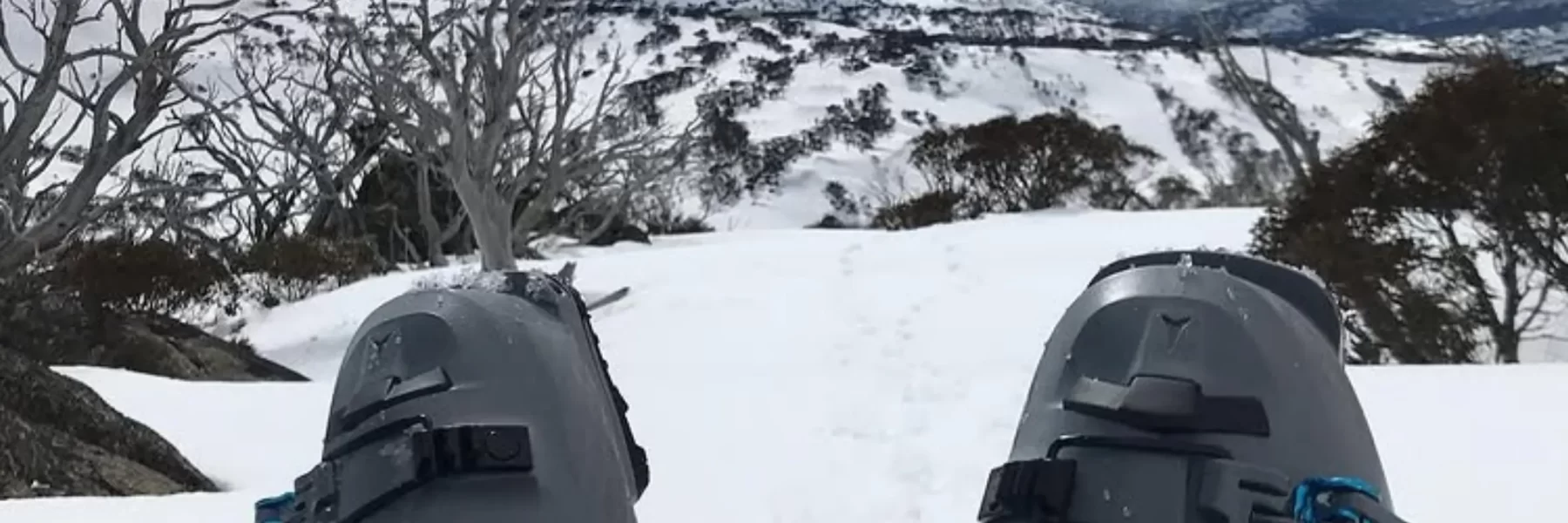
Equipment and clothing can make a big difference in comfort and performance. Well-fitting ski boots, properly sized skis with metal edges and good outerwear will keep you warm and help you move more efficiently. Wrist guards and other protective gear will also improve safety. Badly fitting gear will make you uncomfortable and make skiing harder.
How Long Does It Take to Learn to Ski?
The time to learn to ski depends on the individual and how often they ski. On average:
- A complete beginner can learn the basics and feel comfortable on green runs within 2-3 days of lessons.
- Intermediate skiing (parallel skiing and blue runs) takes a few weeks of consistent practice on intermediate terrain.
- Advanced skiing (black runs, black diamond terrain and backcountry) takes years of experience and technical refinement.
Tips for Beginners to Make Skiing Easier
To make skiing smoother and more fun for beginners:
- Take Lessons – A professional instructor or private ski instructor will teach you proper technique faster.
- Start on Easy Runs – Stick to green runs, practice runs and bunny hills until you get confident and in control.
- Get Your Stance Right – Keep your knees slightly bent and your weight centred over your skis for different slope angles.
- Dress in Layers – Wear moisture-wicking base layers, insulating mid layers and waterproof outer layers.
- Use the Right Equipment – Rent or buy skis and boots that fit you properly to improve your skiing.
- Stay Hydrated & Take Breaks – Fatigue can lead to mistakes and accidents so rest during a long day of skiing.
- Don’t Be Scared to Fall – Falling is part of the skiing journey. Get up, dust yourself off and try again.
- Ski Regularly – The more snow day trips you get the more comfortable and confident you will become.
Conclusion
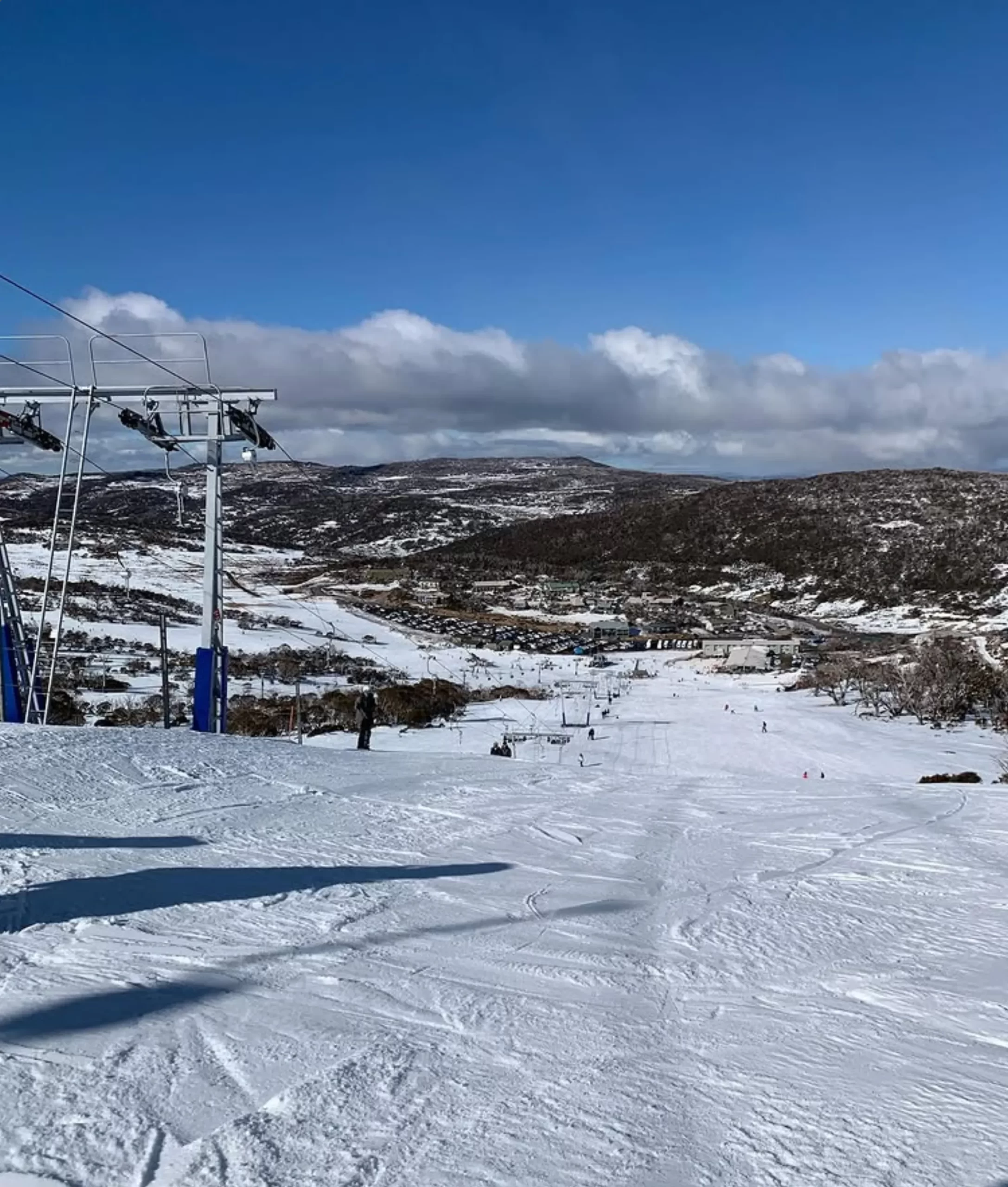
Skiing can be tough at first but with instruction, practice and the right mindset, it’s an enjoyable and rewarding sport. The learning curve varies from person to person but most beginners can get basic skills in a few days and improve with time. Factors such as fitness level, age, terrain and equipment play a role in the difficulty of skiing but with patience and persistenc,e anyone can learn to ski. Whether you’re going for fun or to become an expert skier the key is to stay safe, have fun and be a winter sports enthusiast.
FAQ
Is skiing more difficult than snowboarding?
Skiing is easier to learn initially as standing on two skis feels more natural for most people. Snowboarding has a steeper learning curve at first but gets easier with time – especially if you’re doing a quick day trip to the snow and want fast progress.
Can I ski if I’m not very fit?
Yes! Being physically fit helps but skiing can be learned at any fitness level. Take it slow, stay relaxed and build up your endurance gradually and it will be more enjoyable — short snow trips are a great way to ease into it without overexertion.
Do I need special clothes to ski?
Yes, wearing waterproof and insulated clothes is essential to stay warm and dry. Proper ski gear includes base layers, an insulated jacket, ski pants, gloves and goggles.
How do I stop myself from falling while skiing?
Keep a balanced stance, bend your knees and look ahead rather than down at your skis and you’ll be less likely to fall. Also learning how to stop and control your speed is key.
Is it expensive to learn to ski?
Skiing can be expensive with the costs of lift tickets, equipment rentals, ski lessons and proper clothing. But some ski resorts offer beginner packages that include rentals, private lessons and a piste map for a discounted rate — perfect for the best snow day trip Melbourne has to offer.