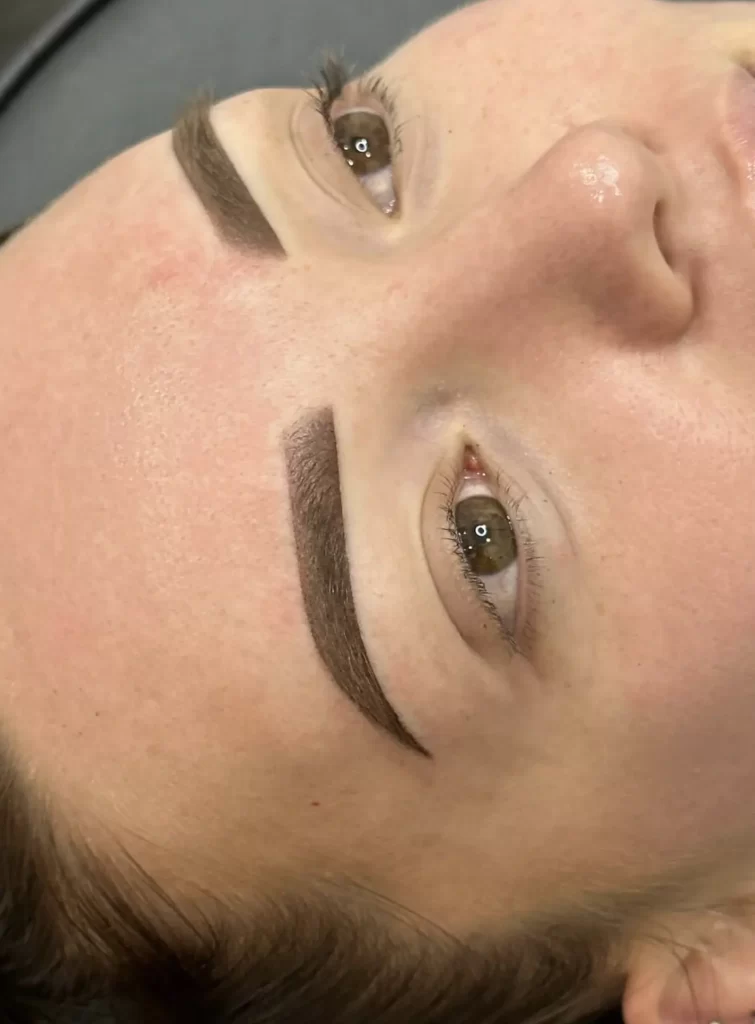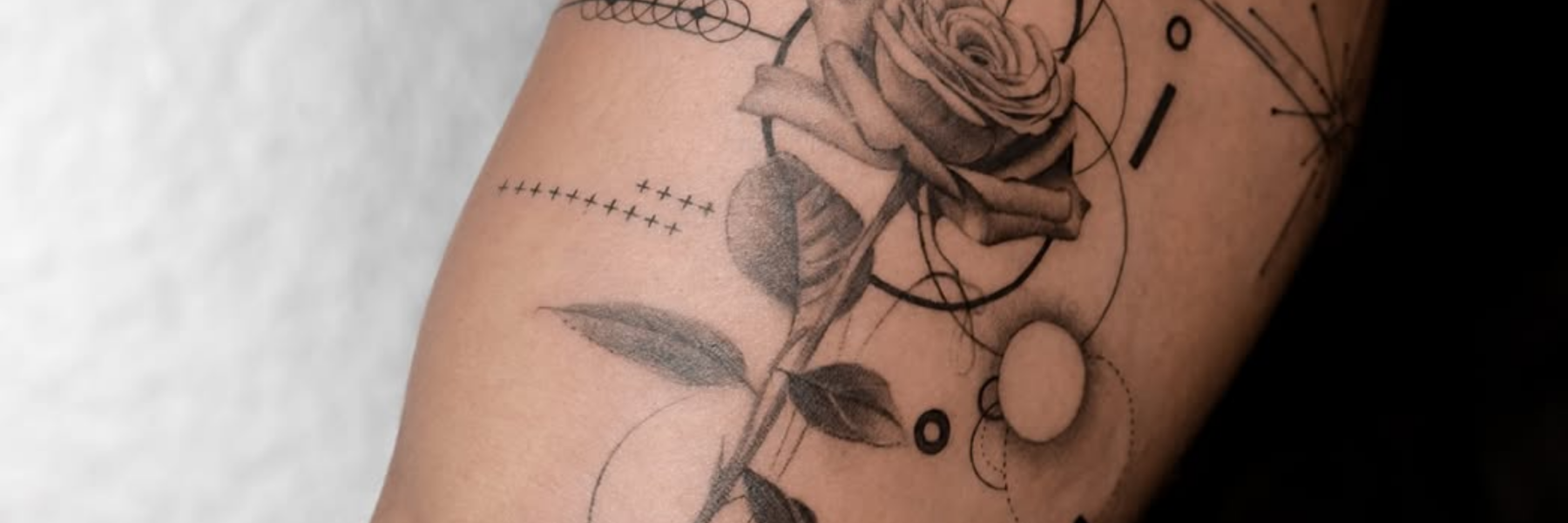
If you’ve ever googled “Do fine line tattoos peel faster?” while staring at your own fresh ink, you’re not alone. As beauty professionals, we hear this one in the studio all the time. Healing can feel like a rollercoaster — especially when your tattoo starts flaking before you’ve even taken your second aftercare selfie. In this article, Olha Po breaks it all down: what actually happens during the healing process, why fine line tattooing looks and heals differently, and how to keep your results crisp for years to come. At Cosmetic Tattoo Studio Brisbane Face Figurati, we guide clients through every stage with practical aftercare advice and ongoing support.
Contents
- 1 Why Peeling Happens in the First Place
- 2 The Fine Line Factor
- 3 What We See in the Studio
- 4 Week-by-Week Healing Timeline
- 5 Prep Matters More Than You Think
- 6 Aftercare: The Make-or-Break
- 7 Myths We Hear All the Time
- 8 What The Stats Say
- 9 When to Worry (And When Not To)
- 10 Long-Term Results
- 11 Final Thoughts
- 12 FAQ
Why Peeling Happens in the First Place
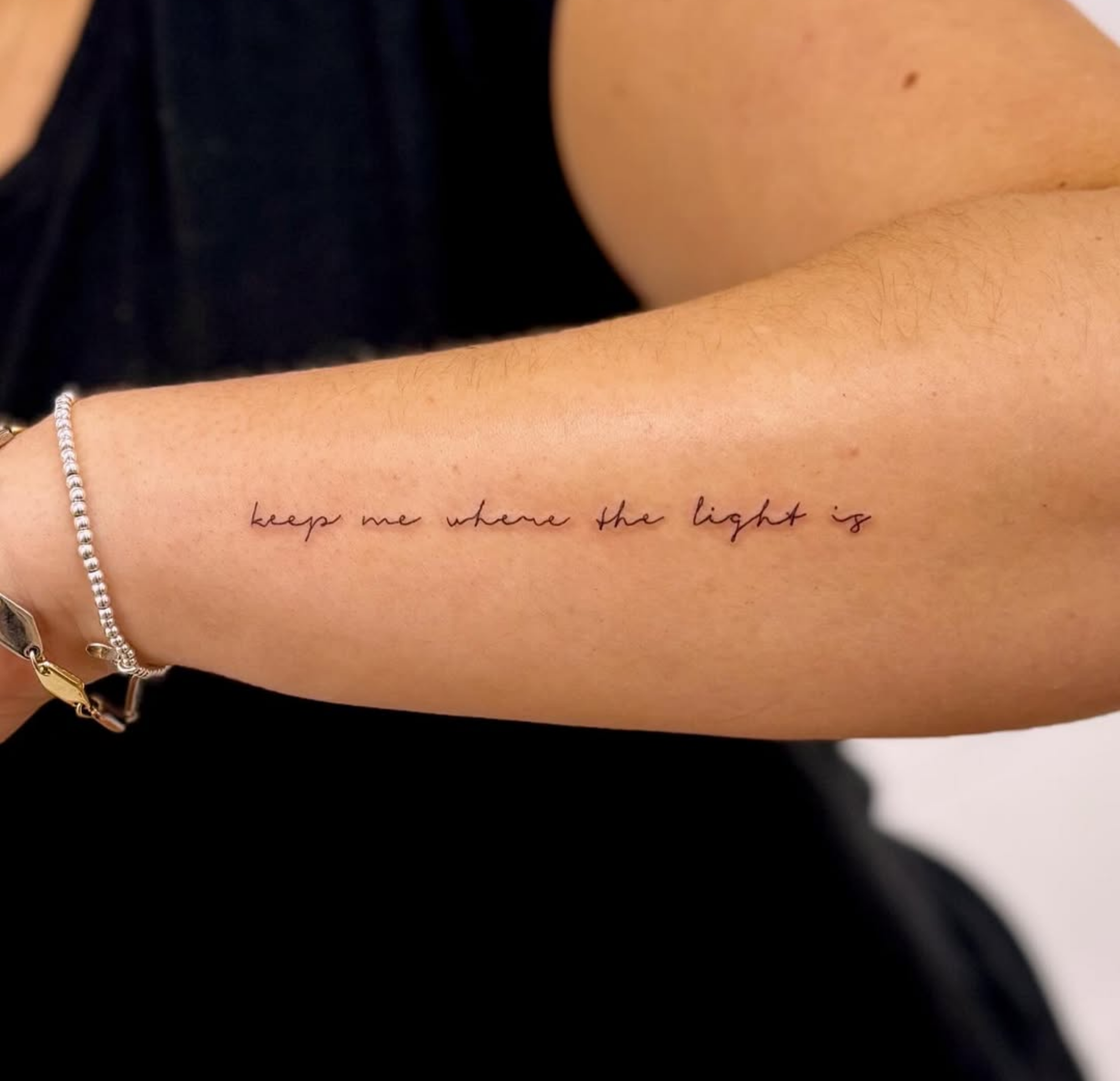
Peeling is part of your skin’s natural recovery after any tattoo, whether it’s a bold traditional tattoo style or a delicate fine line tattoo. Think of it as your body’s way of shedding dead skin cells so new, healed ones can form over your fresh body art. The good news? Peeling doesn’t mean your tattoo design is falling apart. The bad news? If you pick at it, you can cause patchiness.
The Fine Line Factor
So, do fine line tattoos peel faster? The short answer: not usually. Fine line tattooing is created with a single needle technique using tattoo machines, which means less trauma to the skin compared to thicker traditional tattoo styles. Because of this, peeling can be lighter and sometimes appear earlier — but it’s not actually faster healing time. Instead, it’s just less dramatic. A skilled fine line tattooist will explain these differences before you commit to the design.
What We See in the Studio
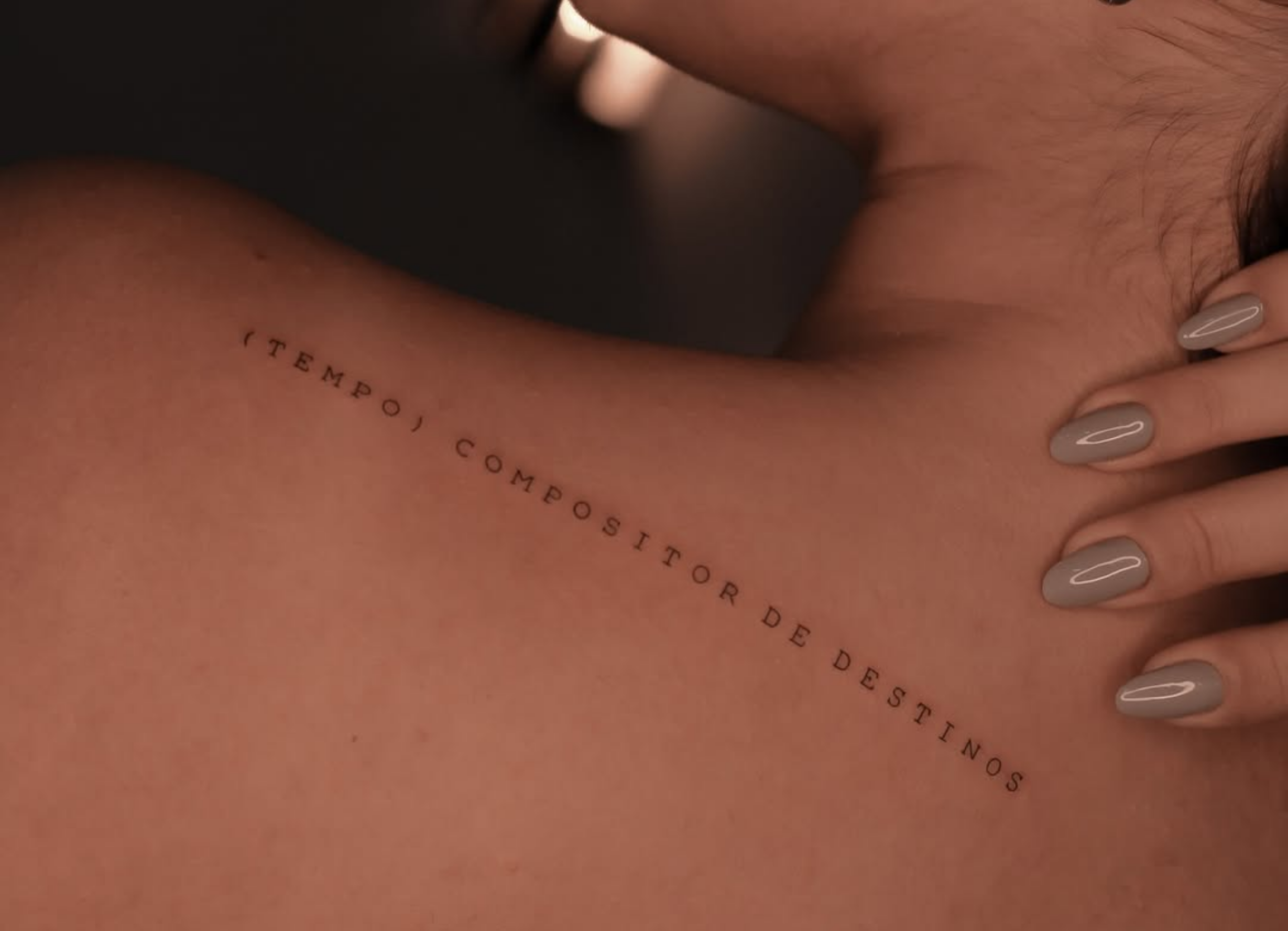
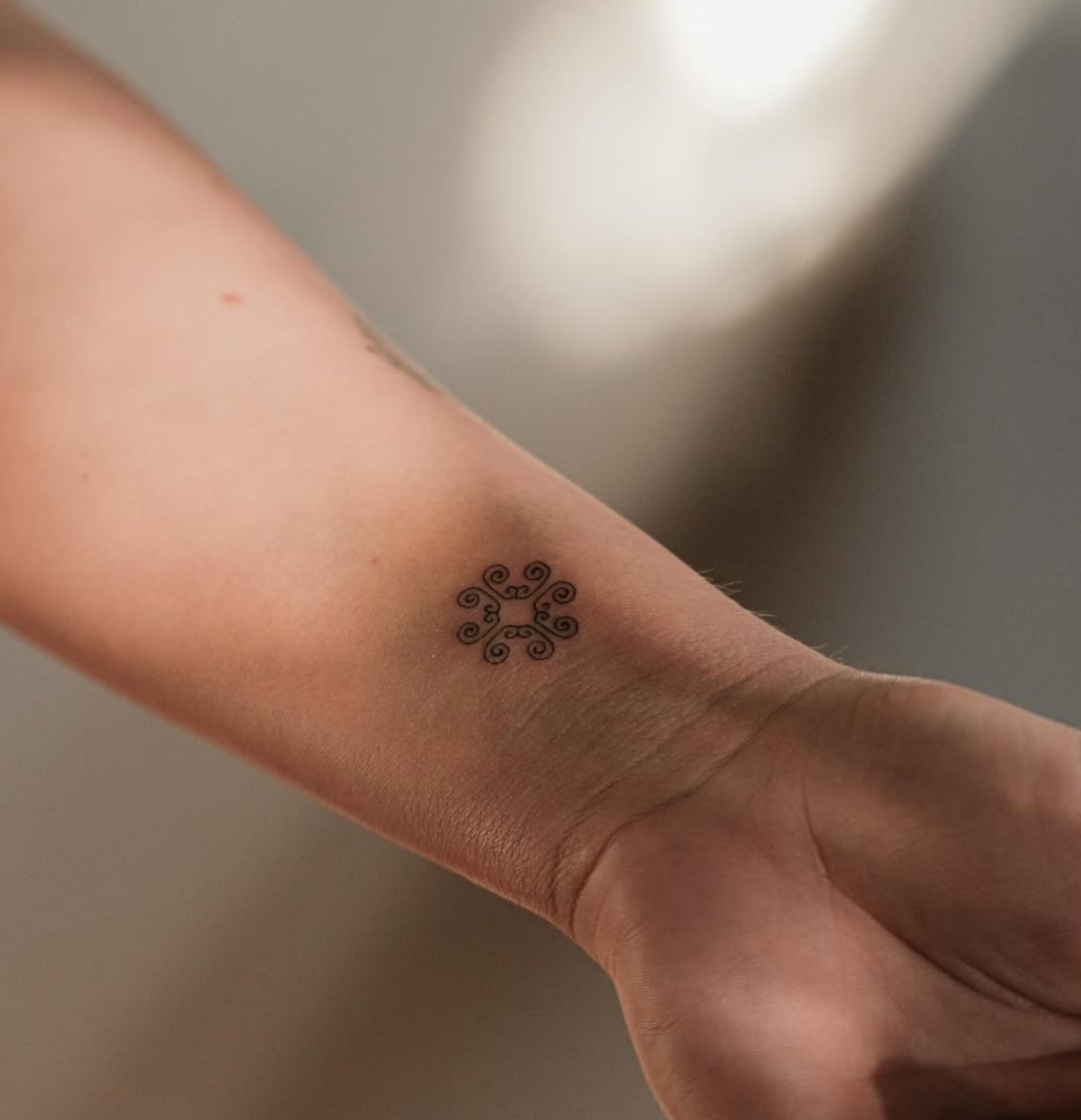
Here in Brisbane tattoo studios, including our own Cosmetic Tattoo Studio Brisbane Face Figurati, we’ve had clients panic when their delicate script tattoo starts flaking in week one. One client, for example, thought her whole wrist design was disappearing when little clear flakes came off in the shower. Within a week, it looked perfectly even again. The moral? Trust the tattooing process — your skin type and skin factors play a huge role in how things heal.
Week-by-Week Healing Timeline
| Week | What’s Happening | What You’ll Notice |
|---|---|---|
| 1 | Initial healing begins | Redness, slight swelling, tender skin, and second skin may lift |
| 2 | Peeling phase | Flaking skin, light scabs, itching, shedding dead skin cells |
| 3 | Surface heals | Fresh skin layer forms, tattoo looks slightly dull |
| 4-6 | Deeper layers settle | Tattoo regains clarity, custom designs even out |
Prep Matters More Than You Think
Your skin’s condition before the appointment plays a huge role in the tattoo experience. Hydrated, healthy skin will always handle trauma better. If you’re sunburnt, dehydrated or using harsh skincare before your tattoo, expect a bumpier recovery. We always tell clients: drink water, avoid fake tan and moisturise in the lead up. Proper prep means the healing process is smoother and your intricate designs age better.
Aftercare: The Make-or-Break
Think of tattoo aftercare as the difference between a crisp, lasting design and one that fades unevenly. For fine line tattoos:
- Wash gently with lukewarm water and fragrance-free soap (never hot water).
- Pat dry — don’t rub.
- Apply a thin layer of tattoo balm.
- Don’t pick at flakes or scabs.
- Keep out of direct sun exposure — Brisbane UV is brutal!
Myths We Hear All the Time
- “If it peels, the ink is falling out.” Not true — peeling is just dead skin cells coming off the surface.
- “Fine line tattoos don’t need touch-ups.” Some do, especially finger tattoos or high-movement areas.
- “Oily skin makes tattoos peel faster.” Oily skin doesn’t speed peeling; it can, however, blur fine lines over time.
What The Stats Say
According to a 2024 industry survey, 62% of Aussies under 35 have at least one tattoo and fine line tattooing is the fastest growing style. 78% of tattoo wearers said peeling was the most surprising part of the process. The stats confirm what we see in the studio: peeling is common, but how it looks varies greatly depending on placement, tattoo artist technique and style.
When to Worry (And When Not To)
Mild peeling and itching are normal. What’s not normal? Excessive redness, oozing or painful swelling — these can be signs of infection or an allergic reaction to tattoo inks or colour inks. If you notice these, see a pro ASAP. Otherwise, relax and let your body do its thing.
Long-Term Results
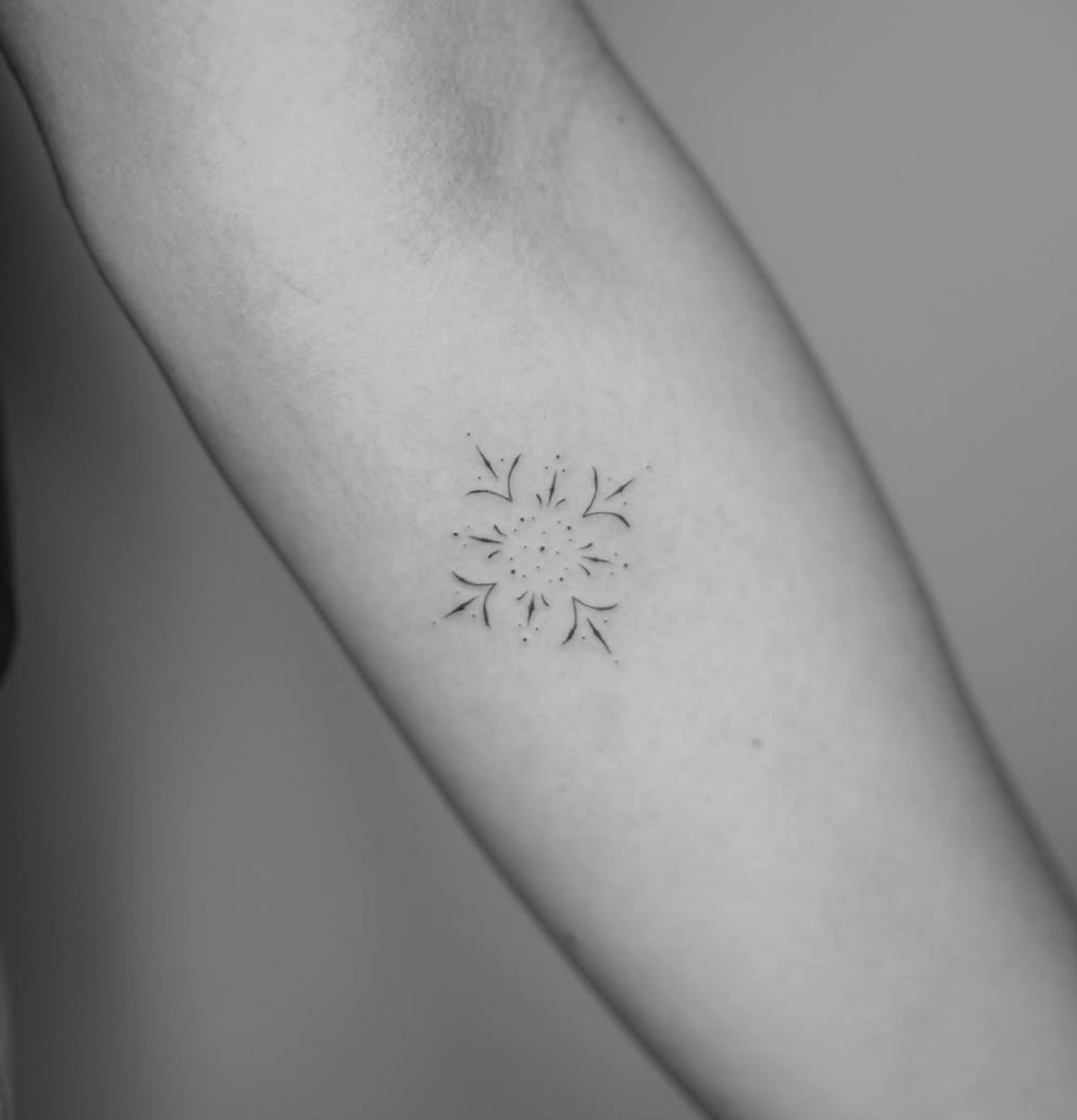
Fine line tattoo can age well with proper care. Sun exposure is the biggest cause of fading in Brisbane’s climate. A daily SPF habit isn’t just for your face — it’s your tattoo’s BFF. Add in occasional touch-ups and you’ll keep those minimalist designs, abstract art pieces, geometric designs and even celestial themes looking fresh for years. Many of our clients come back to Cosmetic Tattoo Studio Brisbane Face Figurati for yearly top-ups to keep that crisp look.
Final Thoughts
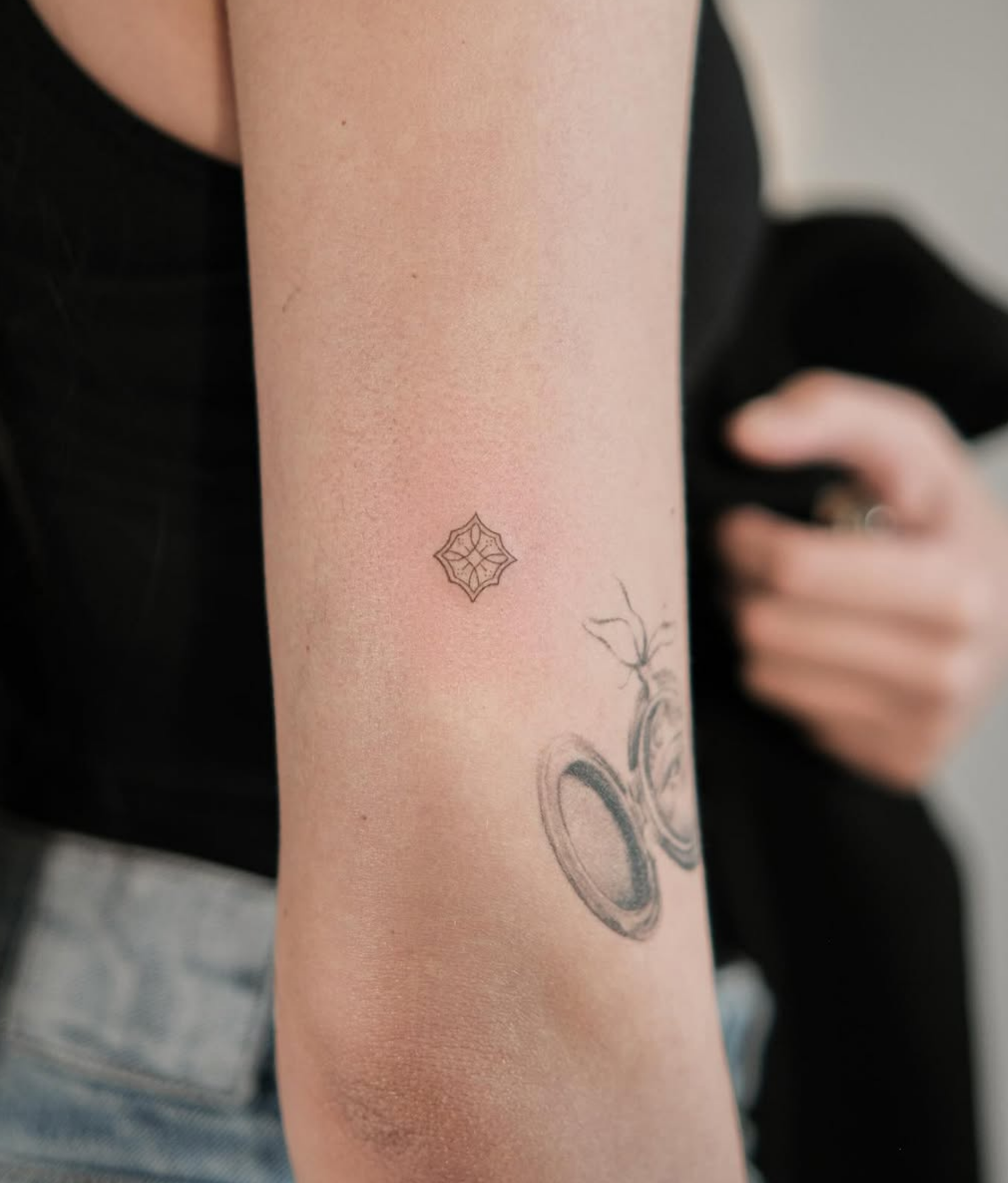
So, do fine line tattoos peel faster? Not really — they just peel a little differently. The tattooing process is lighter, sometimes quicker to start, but ultimately follows the same healing process as bolder styles. What matters most is how you prep, how you care for your skin, and how well you protect it from Queensland UV light afterwards.
If you’re curious about how a single needle tattoo might look on your skin type, pop by our Brisbane studio — Cosmetic Tattoo Studio Brisbane Face Figurati — where you can discuss custom designs, book with an experienced fine line tattooist, or even explore a fine line tattoo course if you’re considering learning the craft yourself.
FAQ
Is peeling always a sign of healing?
Yes. Peeling is normal and just means your skin is replacing its top layer with fresh skin.
Can peeling remove the ink from my tattoo?
No. The ink sits in the dermis (second skin layer), not the epidermis that peels.
Do smaller tattoos peel less?
They often do, especially micro tattoos and finger tattoos, simply because there’s less surface area.
Should I use more cream if it’s peeling a lot?
No — too much tattoo balm can suffocate the skin. Stick with a thin layer and gentle tattoo aftercare.
How long does the peeling phase last?
Usually about 4–7 days, depending on skin factors, tattoo artist technique, and aftercare routine.