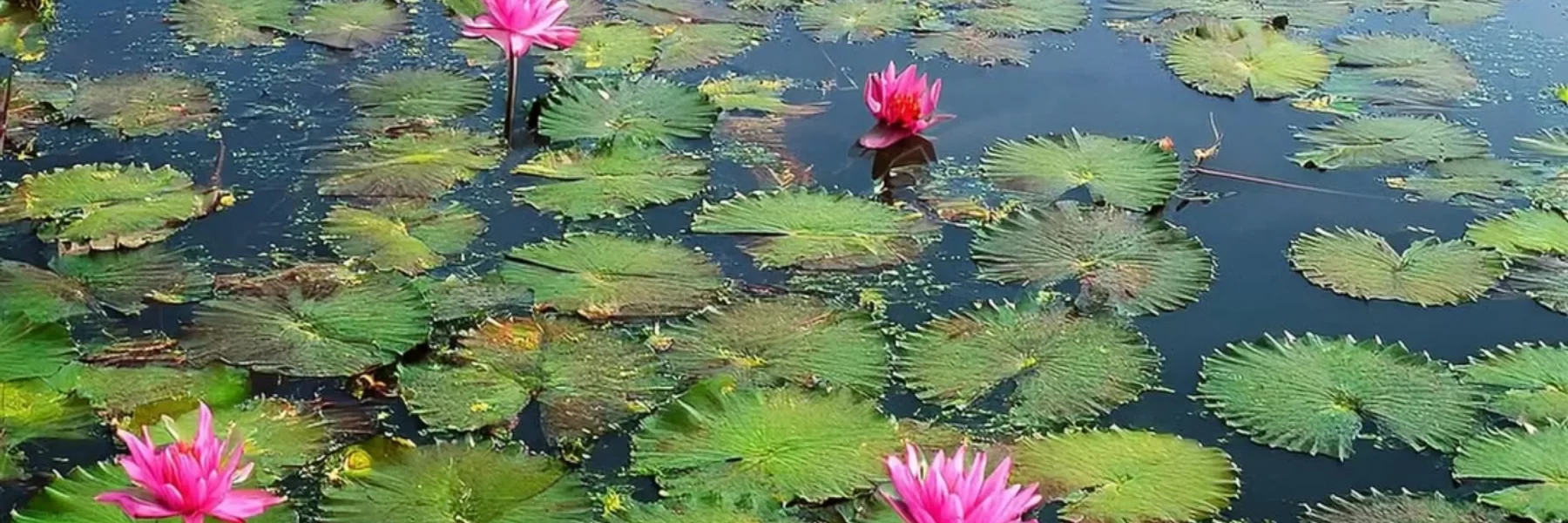
Kakadu National Park in the Northern Territory is one of the most biologically diverse and culturally significant landscapes in Northern Australia. This Commonwealth of Australia protected area is nearly 20,000 square kilometres of many different environments including monsoon forests, paperbark forests, mangrove swamps, alluvial flats, samphire flats, tidal flats and coastal floodplains.
The park has an amazing array of plants, from tall eucalyptus trees to delicate water lilies floating on billabongs. The vegetation supports loads of wildlife, Saltwater crocodiles, freshwater crocodiles, migratory birds, chestnut-quilled rock pigeons, rock ringtail possums, brown bandicoots, sugar gliders and many more. Whether you visit in the dry season or the wet season the plant species of Kakadu are crucial to the regions biodiversity. Exploring the park through Kakadu day tours or 1 day Kakadu tours from Darwin offers an unforgettable opportunity to witness this incredible ecosystem up close.
Contents
- 1 The Unique Ecosystems of Kakadu
- 2 The Special Ecosystems of Kakadu
- 3 Iconic Plants
- 3.1 Water Lilies (Nymphaea spp.)
- 3.2 Paperbark Trees (Melaleuca species)
- 3.3 Kapok Tree (Cochlospermum fraseri)
- 3.4 Pandanus Palms (Pandanus spiralis)
- 3.5 Spear Grass (Sorghum intrans)
- 3.6 F. Turmeric Plant (Curcuma australasica)
- 3.7 Eucalyptus (Eucalyptus miniata & Eucalyptus tetradonta)
- 3.8 Lotus Lily (Nelumbo nucifera)
- 4 Role of Plants in the Ecosystem
- 5 Conservation & Management
- 6 Visiting Kakadu: Sightseeing & Tours
- 7 Conclusion
- 8 Frequently Asked Questions
The Unique Ecosystems of Kakadu
The Special Ecosystems of Kakadu

Kakadu’s main environments are shaped by the seasonal changes, particularly the annual wet season and dry seasons which influence the park’s plants and wildlife environment. Some of the key landscapes are:
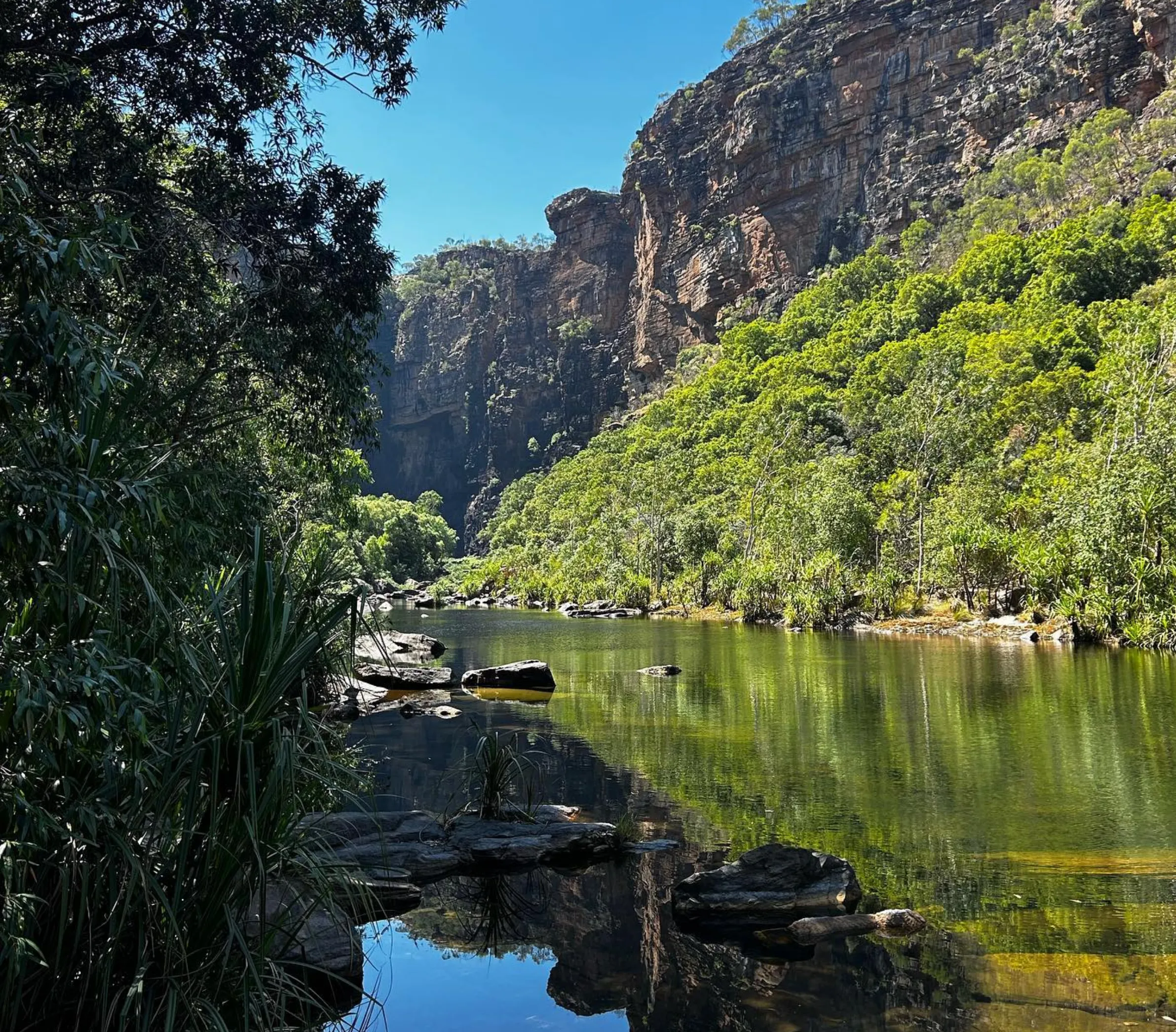
- Monsoon Rainforests & Moist Gorges – Found in deep gorges along the Arnhem Land plateau, these forests have many endemic plants such as Allosyncarpia ternata, a dominant plant species in tall monsoon forests.
- Savanna Woodlands – Covering nearly 80% of the park these woodlands have tall grasses, resurrection grasses, spear grass and medium sized trees like the Darwin woollybutt and stringybark trees.
- Floodplains & Billabongs – Areas like Yellow Water Billabong, Magela Creek, Mary River, East Alligator Rivers and Anbangbang Billabong have water lilies, lotus lilies and floating plants.
- Rocky Escarpments & Shelters – The Arnhem Land escarpment, Nourlangie Rock, and Jim Jim Falls have ancient rock shelters and archaeological sites with Aboriginal rock paintings, rock carvings and cultural sites. Plants here have to endure climate extremes, growing in deep cracks and on rock platforms.
- Mangrove Swamps & Tidal Flats – Along the Alligator Rivers these areas have mangrove colonies and are habitat for aquatic wildlife.
Iconic Plants
Water Lilies (Nymphaea spp.)

Found in Yellow Water, Magela Creek, and billabongs, these pink-white flowers bloom in the wet season and feed insects and comb-crested jacanas.
Paperbark Trees (Melaleuca species)
In paperbark forests near river banks and river beds, these shady trees provide shelter for bird species and are often found near breeding season habitats for aquatic life.
Kapok Tree (Cochlospermum fraseri)
This medium-sized tree produces brilliant yellow flowers in the dry season and drops its leaves to conserve water.
Pandanus Palms (Pandanus spiralis)
Along freshwater creek banks and moist gorges, Pandanus trees are used in Aboriginal land for weaving and food.
Spear Grass (Sorghum intrans)
In savanna woodlands, spear grass grows dense in the wet season and dries into fuel for fires in the dry season.
F. Turmeric Plant (Curcuma australasica)
This native turmeric plant produces bright-orange flowers and thrives in monsoon forests on alluvial soils.
Eucalyptus (Eucalyptus miniata & Eucalyptus tetradonta)
These main plants have red bell-shaped flowers and feed migratory birds and insects.
Lotus Lily (Nelumbo nucifera)
Unlike water lilies, lotus lilies grow above the water, in dirty water and stabilise aquatic ecosystems.
Role of Plants in the Ecosystem
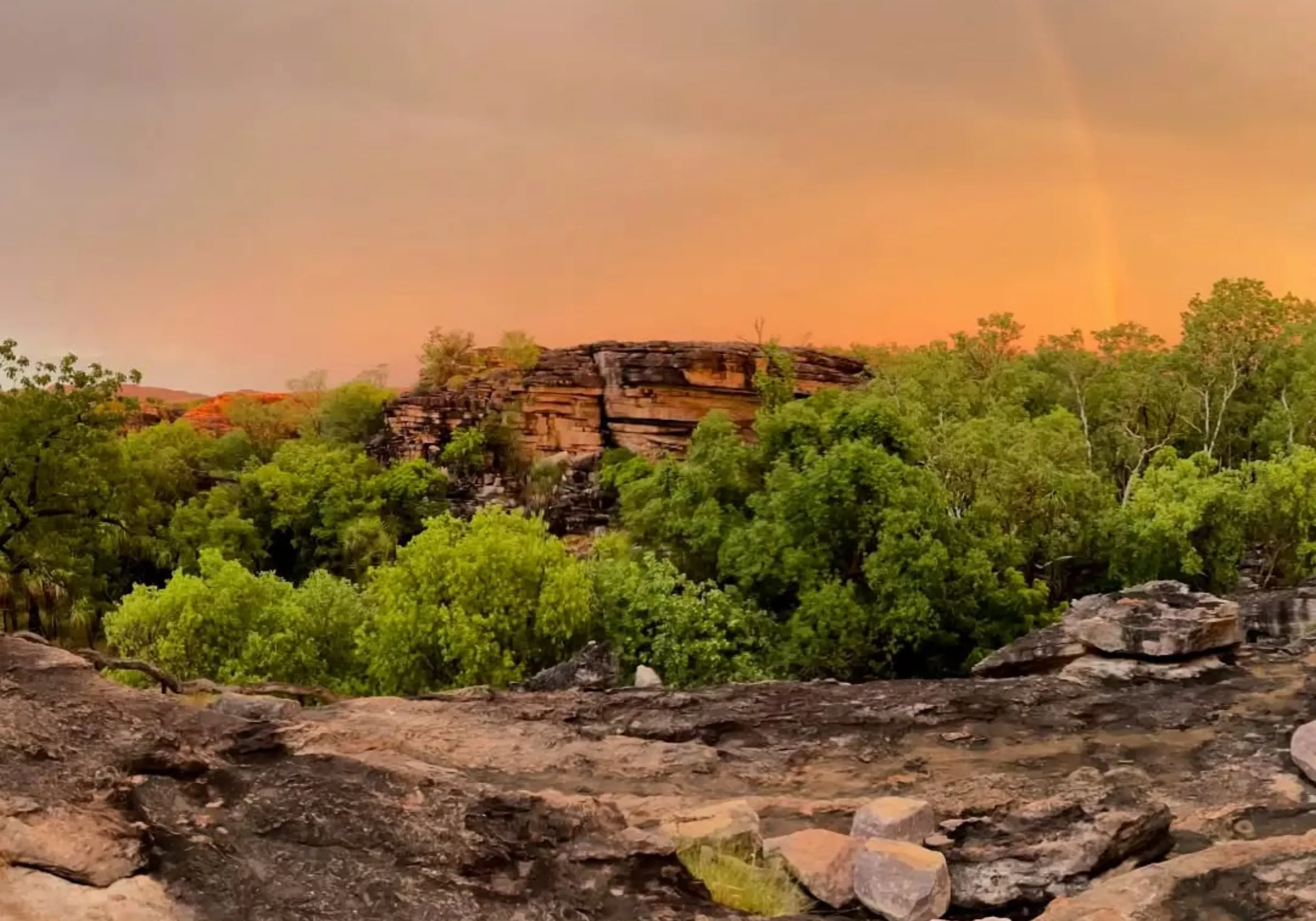
The plants of Kakadu are important for:
- Regulating body temperature in animals by providing shade.
- Maintaining cultural and natural values of Aboriginal land.
- Feeding native animals, feral animals and endemic species.
- Looking after the whole catchment of the Adelaide River, Mary River and Alligator Rivers.
- But Mimosa pigra (weed), feral animals (Asian water buffalo) and crocodile hunting.
Conservation & Management
Invasive Species & Feral Animals
Mimosa pigra and feral animals like Asian water buffalo and C. porosus (Saltwater Crocodiles) threaten native plants. Parks Australia manages these threats to protect endemic species.
Dry Season Fire Management
Lightning strikes and dry floodplain soils can spark wildfires and threaten dominant plant species. Controlled burns are done to reduce risk.
Cultural Heritage
Many plants have cultural significance to Indigenous Australians. Areas like Katherine Gorge, Barramundi Gorge and Cahills Crossing showcase plants used for food, medicine and traditional tools.
Water Conservation & Billabong Protection
The wet season’s abundance of water is crucial for aquatic plants. Environment Australia and Energy Resources of Australia manage Kakadu’s freshwater springs, deep cracks and alluvial flats.
Visiting Kakadu: Sightseeing & Tours
If you want to see Kakadu’s plants up close, Autopia Tours offers guided 4 day Kakadu tours from Darwin through tall monsoon forests, Arnhem Land region and wetlands. Visit:
- Yellow Water Billabong for water lilies and lotus lilies.
- Nourlangie Rock to see rock shelters and deep incisions filled with plants adapted to coarse soils.
- Jim Jim Falls and Anbangbang Billabong to see native plants growing along freshwater springs and river beds.
Camping options range from under the broad leaves of monsoon forests to luxury lodges near Cahills Crossing where crocodile warning signs remind you to respect the park’s wild nature.
Conclusion
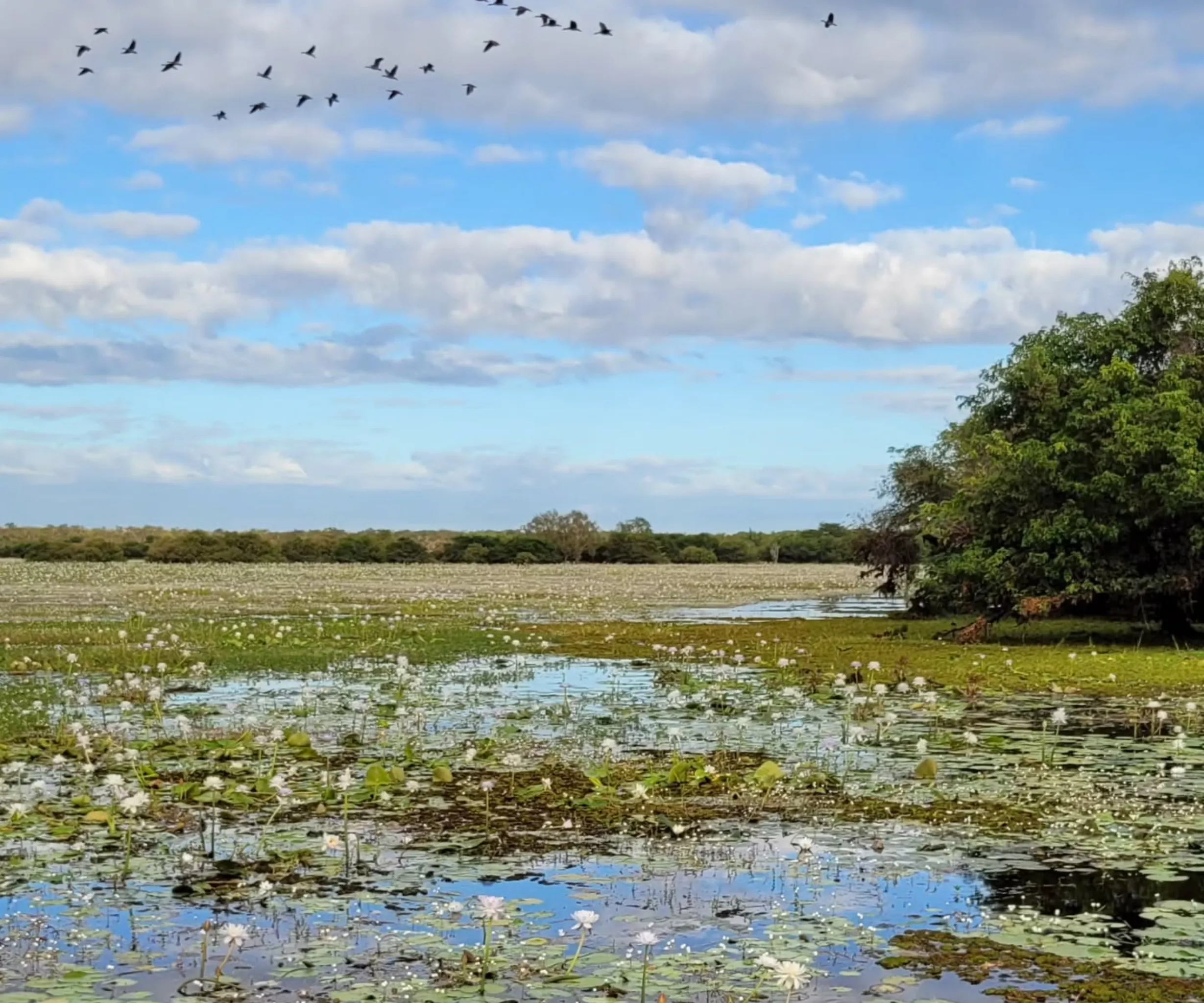
Kakadu National Park’s wide range of native vegetation is alive with life, from monsoon forests to water lilies floating in billabongs. Whether you’re admiring the dark maroon centre of a Pink-white flower or walking through stands of resurrection grasses, Kakadu gives you a glimpse into the amazing biodiversity of Northern Australia. Exploring this natural wonder through a 3 Day Kakadu Tour or other Kakadu Tours allows visitors to fully experience the park’s diverse landscapes, unique plant life, and rich ecosystems.
Frequently Asked Questions
What are the most common plants in Kakadu National Park?
Some of the most common plants in Kakadu are paperbark trees, spear grass, pandanus palms, water lilies, Allosyncarpia ternata, kapok trees, lotus lilies and various eucalypts.
How do plants in Kakadu adapt to the seasons?
Plants in Kakadu adapt to the wet season and dry season by having deep roots, drought-resistant leaves and the ability to store water. Some species like spear grass grow rapidly in the wet season and dry out in the dry season to fuel natural fires.
Are there any endangered plant species in Kakadu National Park?
Yes, Kakadu has endemic species threatened by invasive species, feral animals and climate change. Parks Australia are working to protect endemic plants and ensure their survival.
What role do plants play in Indigenous culture in Kakadu?
Many plants in Kakadu have cultural significance for the Aboriginal traditional owners. Pandanus leaves are used for weaving, turmeric for medicine and paperbark trees for shelter and food preparation.
Where can you see the most diverse plant life in Kakadu?
Some of the best places to see Kakadu’s flora are: Yellow Water Billabong, Nourlangie Rock, Jim Jim Falls, Anbangbang Billabong .